According to research by David B. Larson, of the American National Health Research Center, and his team, comparisons of devout and non-religious Americans have given very surprising results.
According to research by David B. Larson, of the American National Health Research Center, and his team, comparisons of devout and non-religious Americans have given very surprising results. For instance, religious people suffer 60% less heart disease than those with little or no religious belief, the suicide rate among them is 100% lower, they suffer far lower levels of high blood pressure, and this ratio is 7:1 among smokers.181
It was reported in one study published in the International Journal of Psychiatry in Medicine, an important scientific source in the world of medicine, that people who describe themselves as having no religious beliefs become ill more frequently and have shorter life spans. According to the results of the research, those with no beliefs are twice as likely to suffer stomach-intestine diseases than believers, and their mortality rate from respiratory diseases is 66% times higher than that of believers.
Secular psychologists tend to refer to similar figures as "psychological effects." This means that belief raises peoples' spirits, and this contributes to health. This explanation may indeed be reasonable, but a more striking conclusion emerges when the subject is examined. Belief in Allah is much stronger than any other psychological influence. The wide-ranging research into the connection between religious belief and physical health carried out by Dr. Herbert Benson of the Harvard Medical Faculty has produced surprising conclusions in this area. Despite not being a believer himself, Dr. Benson has concluded that worship and belief in Allah have a more positive effect on human health than that observed in anything else. Benson states that he has concluded that no belief provides as much mental peace as belief in Allah.182
What is the reason for this connection between belief and the human soul and body? The conclusion reached by the secular researcher Benson is, in his own words, that the human body and mind are regulated to believe in Allah.183
This fact, which the world of medicine has slowly begun to appreciate, is a secret revealed in the Qur'an in these words: " … Only in the remembrance of Allah can the heart find peace. " (Qur'an, 13:28) The reason why those who believe in Allah, who pray to and trust in Him, are psychologically and physically healthier is that they behave in accordance with the purpose of their creation. Philosophies and systems which contradict human creation always lead to pain and unhappiness.
Modern medicine is now tending towards the realization of this truth. As Patrick Glynn put it: "[S]cientific research in psychology over the past twenty-five years has demonstrated that,… religious belief is one of the most consistent correlates of overall mental health and happiness."184
Forgiveness According to the Morals of Islam and Its Benefits on Health
In another verse Allah commands:
" … They should rather pardon and overlook. Wouldn't you love Allah to forgive you? Allah is Ever- Forgiving, Most Merciful. "
Those who do not abide by the moral values of the Qur'an find it very difficult to forgive others. Because, they are easily angered by any error committed. However, Allah has advised the faithful that forgiveness is more proper:
«The repayment of a bad action is one equivalent to it. But if someone pardons and puts things right, his reward is with Allah…»
It has also been revealed in the Qur'an that forgiveness is a superior moral trait: " But if someone is steadfast and forgives, that is the most resolute course to follow ." (Qur'an, 42:43) For that reason, believers are forgiving, compassionate and tolerant people who, as revealed in the Qur'an, " control their rage and pardon other people ." (Qur'an, 3:134)
Believers' notion of forgiveness is very different to that of those who do not live by the morals of the Qur'an. Even though many people may say they have forgiven someone who has offended them, it nevertheless takes a long time to free themselves of the hatred and anger in their hearts. Their behaviour tends to betray that anger. On the other hand, the forgiveness of believers is sincere. Because believers know that human beings are tried in this world, and learn by their mistakes, they are tolerant and compassionate. Moreover, believers are also capable of forgiveness even when they are in the right, and the other in the wrong. When forgiving, they make no distinction between large errors and small ones. Someone may cause severe losses to them by mistake. However, believers know that everything takes place under the command of Allah, and according to a specific destiny, and therefore, they surrender themselves to these developments, never acquiescing to anger.
According to recent research, American scientists established that those capable of forgiveness are healthier in both mind and body. Dr. Frederic Luskin, who holds a Ph.D. in Counselling and Health Psychology from Stanford University, and his team, studied 259 people living in the city of San Francisco. The scientists invited the subjects to attend six one-and-a-half-hour sessions, and aimed to instruct the subjects in forgiveness during their conversations.
The subjects of the experiments stated that they suffered less after forgiving people who had wronged them. The research showed that people who learned to forgive feel much better, not only emotionally but also physically. For example, it was established that after the experiment psychological and physical symptoms such as stress-related backache, insomnia and stomachaches were significantly reduced in these individuals.
In his book, Forgive for Good, Dr. Frederic Luskin describes forgiveness as a proven recipe for health and happiness. The book describes how forgiveness promotes such positive states of mind as hope, patience and self-confidence by reducing anger, suffering, depression and stress. According to Dr. Luskin, harboured anger causes observable physical effects in the individual. He goes on to say that:
In addition, Dr. Luskin says, when the body releases certain enzymes during anger and stress, cholesterol and blood pressure levels go up-not a good long-term disposition to maintain the body in.186
An article called "Forgiveness," published in the September- October 1996 edition of Healing Currents Magazine, stated that anger towards an individual or an event led to negative emotions in people, and harmed their emotional balance and even their physical health.187 The article also states that people realise after a while that the anger is a nuisance to them, and wish to repair the damage to the relationship. So, they take steps to forgive. It is also stated that, despite all they endure, people do not want to waste the precious moments of their life in anger and anxiety, and prefer to forgive themselves and others.188
In another study involving 1,500 people depression, stress and mental illness were observed to be less frequent in religious people. Dr. Herbert Benson, who conducted the research, linked this to the way religions encourage "forgiveness," and went on to say:
According to an article titled, "Anger Is Hostile to Your Heart," published in the Harvard Gazette, anger is extremely harmful to the heart. Ichiro Kawachi, an assistant professor of medicine, and his team scientifically demonstrated this with various tests and measurements. As a result of their research, they established that grumpy old men had three times the risk of heart disease than their more tempered peers. "The tripling of risk," Kawachi says, "involves high levels of anger, explosive anger that includes smashing things and wanting to hurt someone in a fight."190
Researchers believe that release of stress hormones, increased oxygen demand by the heart's muscle cells, and added stickiness of blood platelets, which leads to clots explain how anger increases the chance of a heart attack.191
Furthermore, at times of anger, the pulse rises above its normal level, and leads to increased blood pressure in the arteries, and thus to a greater risk of heart attack.
According to researchers, anger and hostility can also trigger the production of proteins linked to inflammation in the blood. The journal Psychosomatic Medicine suggested that the emotion triggers the production of inflammatory proteins, which may in turn be causing the hardening of the arteries, causing heart disease and stroke.192
According to Associate Professor Edward Suarez of the Duke University Medical Centre in North Carolina, the protein interleukin 6 (or IL-6) is much higher in men who are angry and depressed. High blood levels of IL-6 lead to atherosclerosis, the build-up of fatty deposits in the lining of the walls of arteries.193
According to Suarez, as well as factors such as smoking, high blood pressure, obesity and high cholesterol, heart disease is also linked to psychological states such as depression, anger and hostility.194
Another article, titled "Anger Raises Risk of Heart Attack," published in The Times, stated that a short temper might be a short cut to a heart attack, and that young men who reacted to stress by becoming angry were three times more likely to develop premature heart disease, and were five times more likely to have an early heart attack.195 Scientists at John Hopkins University in Baltimore, Maryland, found that quick-tempered men are at risk of heart attack even if there is no family history of heart disease.196
All the available research shows that anger is a state of mind that seriously damages human health. Forgiveness, on the other hand, even if it comes hard to people, is pleasing, an aspect of superior morals, that eliminates all the harmful effects of anger, and helps the individual to enjoy a healthy life, both psychologically and physically. Forgiveness, of course, is one of a form of behaviour by which a person can stay healthy, and a positive virtue everyone should live by. However, the true aim of forgiveness-as in all else-must be to please Allah. The fact that the features of this sort of morality, and that the benefits of which have been scientifically identified, have been revealed in many verses of the Qur'an, is just one of the many sources of wisdom it contains.
How Prayer Accelerates the Treatment of the Sick
According to the Qur'an, prayer, meaning "calling, giving expression, requesting, seeking help," is a person's turning sincerely to Allah, and seeking help from Him, the Almighty, the Compassionate and Merciful, in the knowledge…
«Your Lord says, "Call on Me and I will answer you. Those who are too proud to worship Me will enter Hell abject.»
According to the Qur'an, prayer, meaning "calling, giving expression, requesting, seeking help," is a person's turning sincerely to Allah, and seeking help from Him, the Almighty, the Compassionate and Merciful, in the knowledge that he is a dependent being. Illness is one of those instances when a person feels this dependence most and draws closer to Allah. Furthermore, sickness is a test, devised in His Wisdom, that takes place by His will, and is a warning to remind people of the transience and imperfection of this life, and is also a source of recompense in the Hereafter for the patient and submissive.
Those without faith, on the other hand, imagine that the way to recovery is through doctors, medicines or the advanced technological capabilities of modern science. They never pause to think that it is Allah Who causes their physical system to function when they are in good health, or Who creates the healing medicines and doctors when they are ill. Many turn only to Allah when they arrive at the opinion that doctors and medicines are inadequate. People in such situations seek help only from Allah, realising that only He can free them from their difficulty. Allah has revealed this mindset in a verse:
«When harm touches man, he calls on Us, lying on his side or sitting down or standing up. Then when We remove the harm from him he carries on as if he had never called on Us when the harm first touched him. In that way We make what they have done appear good to the profligate.»
The fact is, however, that even in good health, or without tribulations or other difficulties, a person must pray and give thanks to Allah for the comforts, good health and all the other blessings He has imparted.
One very important aspect of prayer is this: In addition to praying out loud, it is also important for a person to make every effort to pray through his or her deeds. Prayer by action means doing everything possible to attain a certain wish. For example, in addition to praying, a sick person may also have to visit an expert doctor, use medicines that will be of benefit, and receive hospital treatment if necessary, or some other form of special care. Because, Allah has linked everything that happens in this world to specific causes. Everything in the world and in the universe happens in accordance with these causes. Therefore, the individual must take the requisite measures in accordance with these causes, and yet await the outcome from Allah, with humility, submission and patience, in the knowledge that it is He Who brings about their results.
The positive effect of faith and prayer on the sick and the way these accelerate treatment is a matter that has attracted the attention of and is recommended by doctors. Under the heading "God and Health: Is Religion Good Medicine? Why Science Is Starting to Believe," the 10 November, 2003, edition of the famous magazine Newsweek took the curative effect of religion as its cover story. It reported that faith in Allah raised people's morale and helped them recover more easily, and that science had also begun to believe that people with religious faith recover more easily and quickly. According to a Newsweek survey, 72% of Americans say they believe that praying can cure someone and that prayer facilitates recovery. Research in Great Britain and the USAhas also concluded that prayer reduces patients' symptoms and accelerates the recovery process.
According to research conducted at Michigan University, depression and stress are observed to lesser extent in the devout. And, according to findings at Rush University in Chicago, the early death rate among people who worship and pray regularly is some 25% lower than in those with no religious convictions. Another study conducted at Duke University on 750 people, who underwent angiocardiography, proved scientifically the "curative power of prayer." It was established that the death rate among heart patients who prayed decreased by 30% within a year after their operations.
Examples of the prayers mentioned in the Qur'an are:
«And Ayyub when he called out to his Lord, "Great harm has afflicted me and You are the Most Merciful of the merciful," We responded to him and removed from him the harm which was afflicting him and restored his family to him, and the same again with them, as a mercy direct from Us and a Reminder to all worshippers.»
«And Dhu'n-Nun [Yunus] when he left in anger and thought We would not punish him. He called out in the pitch darkness:
"There is no deity but You! Glory be to You! Truly I have been one of the wrongdoers." We responded to him and rescued him from his grief. That is how We rescue the believers.»
«And Zakariyya when he called out to his Lord, "My Lord, do not leave me on my own, though You are the Best of Inheritors." We responded to him and gave him Yahya, restoring for him his wife's fertility. They outdid one another in good actions, calling out to Us in yearning and in awe, and humbling themselves to Us.»
As has already been stated, prayer must not only be for alleviation of sickness, or other mundane problems. A sincere believer must always pray to Allah and accept whatever comes from Him. The fact that the benefits of prayer revealed in many verses of the Qur'an are now being recognised scientifically, once again reveals the miraculous nature of the Qur'an.
«If My servants ask you about Me, I am near. I answer the call of the caller when he calls on Me. They should therefore respond to Me and believe in Me so that hopefully they will be rightly guided.»
«When Allah desires to guide someone, He expands his breast to Islam. When He desires to misguide someone, He makes his breast narrow and constricted as if he were climbing up into the sky. That is how Allah defiles those who have no faith.»
The failure of irreligious people in submitting themselves to Allah causes them to be in a constant state of ill-ease, anxiety and stress. As a consequence, they are afflicted by various psychological illnesses which reveal themselves in their physical selves. Their bodies wear down more quickly, and they age rapidly and degenerate.
However, since believers are psychologically healthy, they do not fall prey to stress, or despondence, and their bodies are ever fit and healthy. The positive effects of their submitting to Allah, their trust in Him and fortitude, looking for the good in all things, and accepting what happens with the hope of His promise, are reflected in their physical selves. This, of course, applies only to those who live by the moral values of the Qur'an, and who truly comprehend the religion. Of course, they may fall ill and eventually grow old, but this natural process does not involve the psychological breakdown it does in others.
Stress and depression, regarded as the diseases of our time, not only cause psychological harm, but also manifests themselves in various physical defects. The common stress and depression-related problems are some forms of mental illness, drug addiction, insomnia, skin, stomach and blood pressure disorders, colds, migraines, a number of bone diseases, kidney imbalances, respiratory difficulties, allergies, heart attacks, and brain swelling. Of course, stress and depression are not the only causes of these, but it has been scientifically proven that the origins of problems such as these are usually psychological.
Stress, which afflicts so many, is a state of mental anxiety caused by such feelings as fear, insecurity, overexcitement, worry and other pressures, that damages the body's equilibrium. When people become victims of stress, their bodies react and sound the alarm, and various biochemical reactions in the body are initiated: The level of adrenaline in the bloodstream rises; energy consumption and bodily reactions reach their maximum levels; sugar, cholesterol and fatty acids are deposited into the bloodstream; blood pressure rises and the pulse accelerates. When glucose is sent to the brain, cholesterol levels rise, and that all spells trouble for the body.
Because chronic stress, in particular, alters the normal functions of the body, it can cause serious harm. Due to stress, adrenalin and cortisol levels in the body rise to abnormal levels. Long-term increases in cortisol levels lead to the premature appearance of disorders such as diabetes, heart disease, high blood pressure, cancer, ulcers, respiratory diseases, eczema and psoriasis. The effects of high cortisol levels may even include the killing off of brain cells. The disorders caused by stress are described as follows in one source:
However, one of the most detrimental effects of stress is heart attacks. Research shows that aggressive, nervous, anxious, impatient, competitive, hostile and irritable people have a much higher incidence of heart attacks than people less inclined to these traits.198
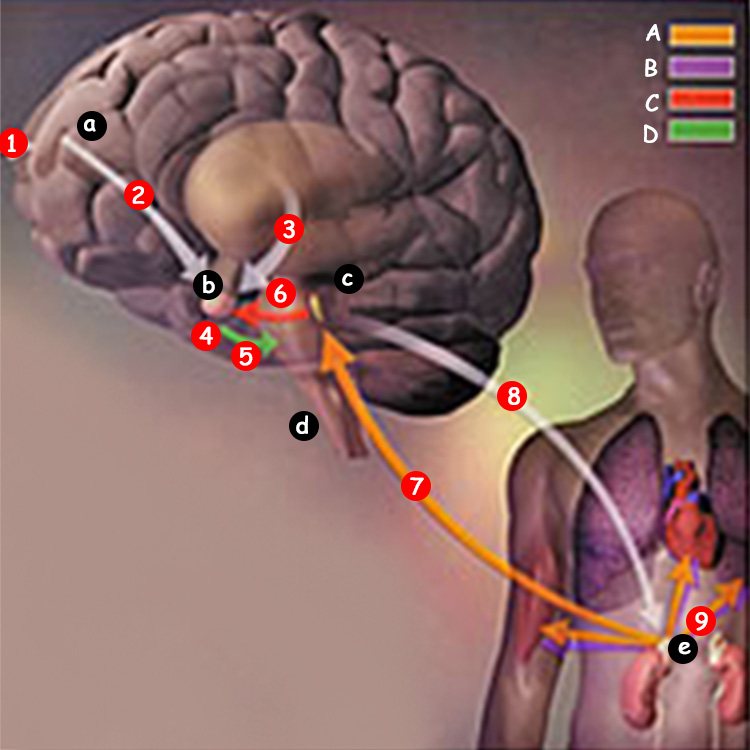
The reason for this is that extreme stimulation of the sympathetic nervous system, initiated by the hypothalamus, also causes excessive secretion of insulin, and therefore the accumulation of insulin in the blood. This is a matter of vital importance. Because, none of the conditions that lead to coronary heart disease play such a definitive and harmful role as excess insulin in the blood.199
Scientists have recognized that the higher the level of stress, the more the positive effects of the red cells in the blood are weakened. According to an experiment developed by Linda Naylor, head of the Oxford University's technology transfer company, the negative effect of stress levels on the immune system can now be measured.
There is a close relationship between stress and the immune system. Physiological stress has an important effect on the immune system and results in its deterioration. When under stress, the brain increases production of the cortisol hormone in the body, which weakens the immune system. To put it another way, there is a direct relationship between the brain, the immune system and hormones. Experts in the field state:
In short, stress harms a human being's natural equilibrium. Constant exposure to this abnormal condition impairs the body's health, and leads to a wide variety of disorders. Experts classify the negative effects of stress on the human body under the following basic categories:
Anxiety and Panic: Afeeling that events are spiralling out of control Constantly increasing perspiration Voice changes: Stammering, trembling speech Hyperactivity: Sudden explosions of energy, weak diabetic control Sleeping difficulty: Nightmares Skin diseases: Spots, acne, fever, psoriasis and eczema Gastrointestinal indications: Indigestion, nausea, ulcers Muscular tension: Grinding or locking teeth, aches in the jaw, back, neck and shoulders Low intensity infections: Colds etc. Migraine Palpitations, chest pain, high blood pressure Kidney imbalances, holding water Respiratory disorders, shortness of breath Allergies Joint pains Dry mouth and throat Heart attack Weakening of the immune system Shrinkage in the brain region Feelings of guilt and lack of self-confidence Confusion, inability to analyse correctly, poor thinking ability, weak memory Extreme pessimism, believing that everything is going badly Difficulty in moving or staying still, constant rhythm beating Inability to concentrate or difficulty in so doing Irritability, extreme sensitivity Irrationality Feelings of helplessness or hopelessness Loss of or increased appetite The fact that those who fail to abide by religious moral values experience "stress" is revealed by Allah in the Qur'an:
«But if anyone turns away from My reminder, his life will be a dark and narrow one…»
"… the Earth became narrow for them, for all its great breadth, and their own selves became constricted for them and they realised that there was no refuge from Allah except in Him… "
This "dark and narrow" life, or stress, to give it the current name, is the outcome of non-believers' failure to abide by the moral values imparted by faith. Today, doctors maintain that a calm and self-assured composure are essential for protection from the effects of stress. Acalm and peaceful disposition is only possible by living according to the Qur'an. Indeed, it has been revealed in many verses of the Qur'an that Allah imparts " serenity " upon the believers. (Qur'an, 2:248, 9:26, 40, 48:4, 18) Our Lord's promise to the faithful has been revealed as follows:
«Anyone who acts rightly, male or female, being a believer, We will give them a good life and We will recompense them according to the best of what they did.»
Mother's milk is a matchless compound created by Allah to meet the baby's nutritional needs and protect it against possible infections.
«And We have enjoined upon man goodness towards his parents:
His mother bore him by bearing strain upon strain, and his weaning was in two years: "[Hence, O man,] be grateful to Me and to your parents; to Me is the eventual coming.»
Mother's milk is a matchless compound created by Allah to meet the baby's nutritional needs and protect it against possible infections. The balance of the nutriments in mother's milk is at ideal levels and the milk is in the ideal form for the baby's immature body. At the same time, the mother's milk is also very rich in nutrients which accelerate the growth of brain cells and the development of the nervous system.201 Artificial baby foods prepared with present-day technology cannot replace this miraculous food.
The list of advantages to the baby provided by mother's milk is being added to every day. Research has shown that babies who are fed mother's milk are particularly protected against infections concerning the respiratory and digestive systems. That is because the antibodies in mother's milk provide a direct defence against infection. Other antiinfection properties of mother's milk are that it provides a hospitable environment for "good" bacteria called "normal flora" thus constituting a barrier to harmful bacteria, viruses and parasites. Furthermore, it has also been established that there are factors in mother's milk which arrange the immune system against infectious diseases and allow it to function properly.202
Since the mother's milk has been specially designed, it is the most easily digestible food for babies. Despite being nutritionally very rich, it is easily digested by the baby's sensitive digestive system. Since the baby thus expends less energy on digestion, it is able to use that energy for other bodily functions, growth and organ development.
The milk of mothers who have had premature babies contains higher levels of fat, protein, sodium, chloride and iron to meet the baby's needs. Indeed, it has been established that the functions of the eye develop better in premature babies fed on mother's milk and that they perform better in intelligence tests.
In addition, they also have a great many other advantages.
One of the ways in which mother's milk is important to the development of the new-born baby is the fact that it contains omega-3 oil alpha linoleic acids. As well as being an important compound for the human brain and retina, it is also of great importance from the point of view of new-born babies. Omega-3 is of particular importance throughout pregnancy and the early stages of babyhood if the brain and nerves are to develop normally. Scientists particularly emphasise the importance of mother's milk as a natural and perfect store of omega-3.
Furthermore, research by Bristol University scientists revealed that among the long-term benefits of mother's milk are its positive effect on blood pressure, thanks to which the risk of heart attack is reduced. The research team concluded that the protective nature of mother's milk stems from its nutritional content. According to the results of the research, published in the medical journal Circulation, babies fed on mother's milk are less likely to develop heart disease. It has been revealed that the presence in mother's milk of long-chain polyunsaturated fatty acids-these prevent hardening of the arteriesalong with the fact that babies fed on mother's milk consume less sodium-this is closely linked to blood pressure-and do not, as a result, gain excessive amounts of weight are among the ways that mother's milk benefits the heart.203
In addition, a team led by Dr. Lisa Martin, of the Cincinnati Children's Hospital Medical Centre in the USA, found high levels of the protein hormone known as adiponectin in mother's milk.204
High blood levels of adiponectin are associated with a reduced risk of heart attack. Low levels of adiponectin are found in people who are obese and who are at increased risk of a heart attack. It was therefore established that the risk of obesity in babies fed on mother's milk declined in relation to this hormone. Furthermore, they also discovered the presence of another hormone called leptin in the mother's milk which has a central role in fat metabolism. Leptin is believed to be a signal to the brain that there is fat on the body. According to Dr. Martin's announcement, therefore, these hormones absorbed in babyhood through mother's milk reduce the risk of such illnesses as obesity, type 2 diabetes and insulin resistance, and coronary artery disease.205
Facts about "The Freshest Food"
The facts about the mother's milk are not restricted to these. The contribution it makes to the baby's health alters according to the phases the baby undergoes and whichever foodstuff is required at a particular stage, the contents of the milk change to meet those very specific needs. Mother's milk, ready at all times and at the ideal temperature, plays a major role in brain development because of the sugar and fat it contains. In addition, elements such as calcium in it play a large role in the development of the baby's bones.
Although it is called milk, this miraculous compound actually consists mostly of water. This is a most important feature because in addition to food, babies also need liquid in the form of water. Full hygiene may not be established in water or foodstuffs other than mother's milk. Yet mother's milk-90% water no less-meets the baby's water needs in the most hygienic manner.
Mother's Milk and Intelligence
Scientific research shows that the cognitive development in breast-fed babies is greater than that in other babies. A comparative analysis of breast-fed babies and formula-fed babies by James W. Anderson-an expert from the University of Kentucky-established that the IQs of babies fed on mother's milk were 5 points higher than those of other babies. As a result of this study, it was determined that intelligence is benefited by mother's milk for up to 6 months and that children who are breast-fed for less than 8 weeks show no IQ benefit.206
Does Mother's Milk Combat Cancer?
As a result of all the research performed, it is proven that mother's milk, on which hundreds of papers have been published, protects babies against cancer. This, despite the fact that the mechanism is not yet fully understood. When a protein from the mother's milk killed off tumour cells which had been grown in laboratories without damaging any healthy cells, researchers stated that a great potential has emerged. Catharina Svanborg, professor of clinical immunology at Lund University in Sweden, headed the research team that discovered these miraculous secrets of mother's milk.207
This team at Lund University have described the way that mother's milk provides protection against many forms of cancer as a miraculous discovery.
Initially, researchers treated intestinal mucous cells taken from new-born babies with mother's milk. They observed that the disorder caused by the bacterium Pneumococcus and known as pneumonia was efficiently halted by mother's milk. What is more, babies fed on mother's milk encounter far fewer hearing difficulties than those fed on formula and suffer far fewer respiratory infections. After a series of studies, it was shown that mother's milk also provides protection against cancer. After showing that the incidence of the lymph cancer observed in childhood was nine times greater in formula-fed children, they realised that the same results applied to other forms of cancer. According to the results, mother's milk accurately locates the cancer cells and later destroys them. It is a substance called alpha-lac (alphalactalbumin), present in large quantities in mother's milk, that locates and kills the cancer cells. Alpha-lac is produced by a protein that assists in the manufacture of the sugar lactose in the milk.208
This Matchless Blessing Is A Gift from Allah
Another miraculous feature of mother's milk is the fact that it is exceedingly beneficial for the baby to be fed with it for two years.209 This important information, only recently discovered by science, was revealed by Allah fourteen centuries ago in the verse:
" Mothers should nurse their children for two full years-those who wish to complete the full term of nursing… "
In the same way that the mother does not decide to produce milk, the most ideal source of nourishment for the helpless baby in need of feeding in her body, neither does she decide on the various nutritional levels within it. It is Almighty Allah, Who knows the needs of and displays mercy to every living thing, Who creates mother's milk for the baby in the mother's body.
The Miracle of Honey
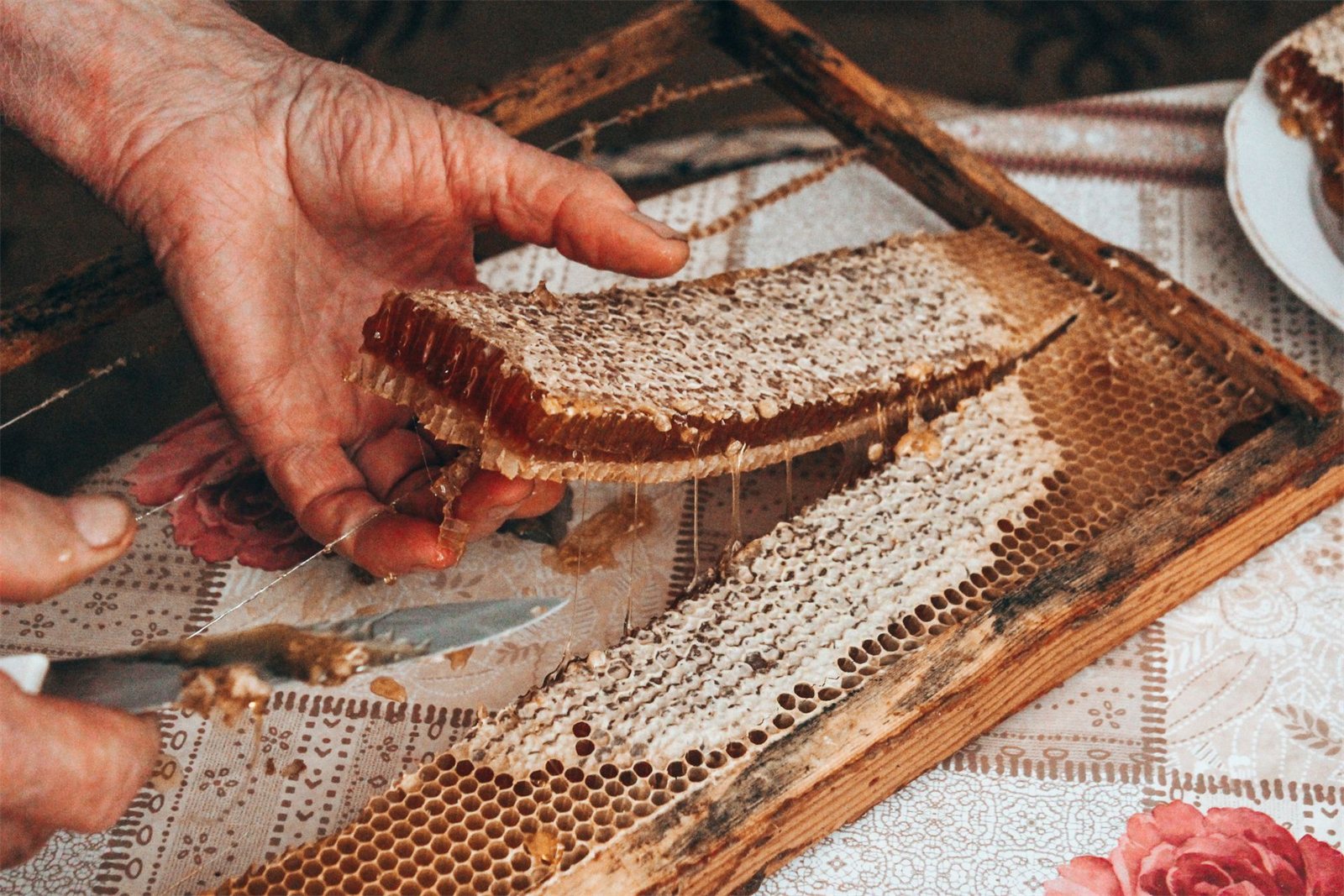
Honey is a "healing for men" as stated in the verses above. Nowadays, apiculture and bee products have opened a new branch of research in scientifically advanced parts of the world.
«Your Lord revealed to the bees:
"Build dwellings in the mountains and the trees, and also in the structures which men erect. Then eat from every kind of fruit and travel the paths of your Lord, which have been made easy for you to follow." From inside them comes a drink of varying colours, containing healing for humanity. There is certainly a sign in that for people who reflect.»
Honey is a "healing for men" as stated in the verses above. Nowadays, apiculture and bee products have opened a new branch of research in scientifically advanced parts of the world. Other benefits of honey may be described as below:
Easily digested: Because sugar molecules in honey can convert into other sugars (e.g. fructose to glucose), honey is easily digested by the most sensitive stomachs, despite its high acid content. It helps kidneys and intestines to function better.
Rapidly diffuses through the blood; is a quick energy source: When accompanied by mild water, honey diffuses into the bloodstream in seven minutes. Its free sugar molecules make the brain function better since the brain is the largest consumer of sugar. Honey is a natural composition of sugars like glucose and fructose. According to recent research, this unique mixture of sugars is the most effective means to remove fatigue and increase athletic performance.
Supports blood formation: Honey provides an important part of the energy needed by the body for blood formation. In addition, it helps in cleansing the blood. It has some positive effects in regulating and facilitating blood circulation. It also functions as a protection against capillary problems and arteriosclerosis.
Does not accommodate bacteria: This bactericide (bacteria-killing) property of honey is named "the inhibition effect." There are various reasons of this anti-microbial property of the honey. Some examples are: the high sugar content that limit the amount of water microorganisms need for growth, its high acidity (low pH) and composition which deprive bacteria from nitrogen necessary for reproduction. The existence of hydrogen peroxide as well as antioxidants in the honey prevents bacteria growth.
Antioxidant: Everyone who wants to live a healthier life should consume antioxidants. Those are the components in cells that get rid of harmful byproducts of normal metabolic functions. These elements inhibit destructive chemical reactions that cause spoilage of food and many chronic illnesses. Researchers believe food products rich in antioxidants may prevent heart problems and cancer. Strong antioxidants are present in honey content: Pinocembrin, pinobaxin, chrisin and galagin. Pinocembrin is an antioxidant that merely exists in the honey.210
Vitamin and mineral depot: Honey is composed of sugars like glucose and fructose and minerals like magnesium, potassium, calcium, sodium chlorine, sulphur, iron and phosphate. It contains vitamins B1, B2, C, B6, B5 and B3 all of which change according to the qualities of the nectar and pollen. Besides the above, copper, iodine, and zinc are also present, albeit in small quantities.
Honey is used in healing wounds:
When used in treatment of wounds, thanks to its ability to absorb moisture from the air, honey facilitates healing process and prevents scarring. This is because honey stimulates the growth of epithelial cells that form the new skin cover over a healed wound. In this way, even in case of large wounds, honey may eliminate the need for tissue transplantation.
Honey stimulates the regrowth of tissue involved in the healing process. It stimulates the formation of new blood capillaries and the growth of fibroblasts that replace the connective tissue of the deeper layer of the skin and produce the collagen fibres that give strength to the repair.
Honey has an anti-inflammatory action, which reduces the swelling around a wound. This improves circulation and thus hastens the healing process. It also reduces pain.
Honey does not stick to the underlying wound tissues, so there is no tearing away of newly formed tissue, and no pain, when dressings are changed.
It is used with great success as a dressing on patients with wounds or ulcers resulting from radiation therapy.211
Thanks to its aforementioned antimicrobial property, honey provides a protective barrier to prevent wounds becoming infected. It also rapidly clears any existing infection from wounds. It is fully effective, even with antibiotic-resistant strains of bacteria. Unlike antiseptics and antibiotics, there is no impairment of the healing process through adverse effects on wound tissues.212
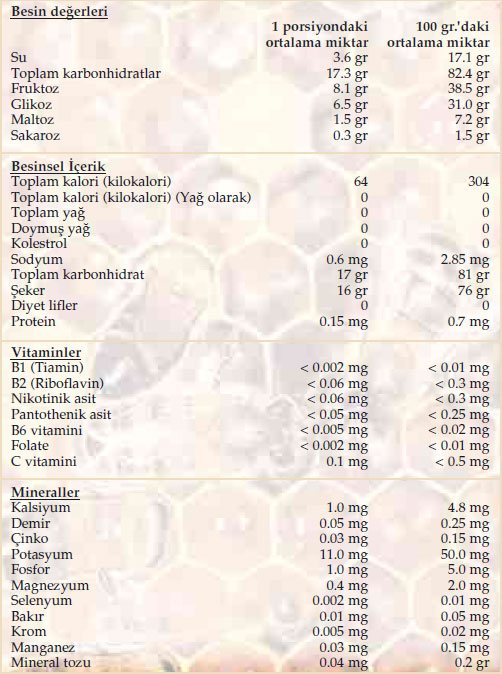
It can easily be seen from this information that honey has great "healing" properties. This is undoubtedly one of the miracles of the Qur'an Allah, Who is Exalted in Power, has revealed. An analysis of the nutritional value of honey can be seen in the table to the side:
The Date and Its Uses as Described in the Qur'an
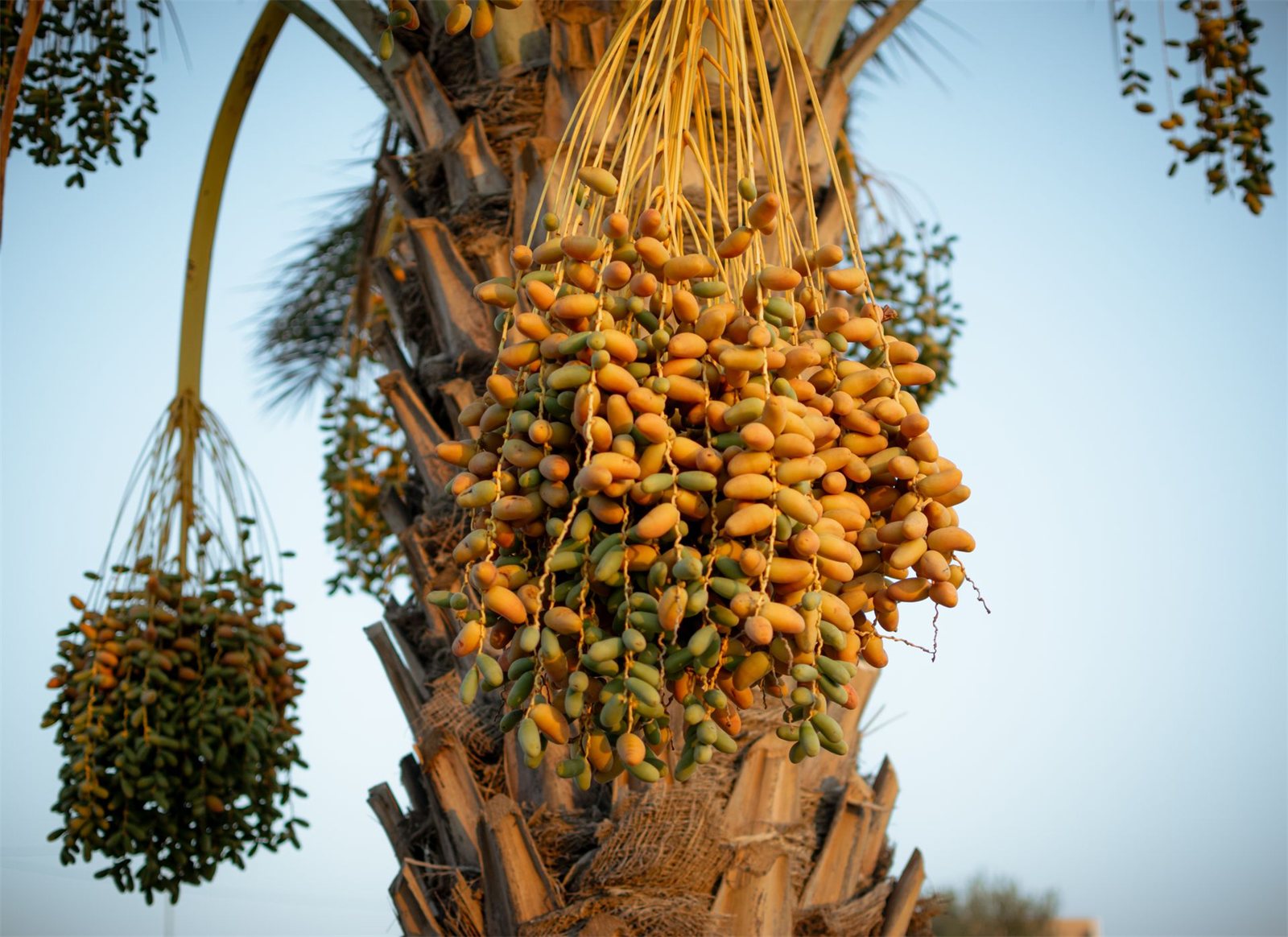
In a number of Qur'anic verses, the humble date is honoured as one of the blessings of Paradise. (Qur'an, 55:68) When this fruit is examined, it can be seen to have a great many important features.
In a number of Qur'anic verses, the humble date is honoured as one of the blessings of Paradise. (Qur'an, 55:68) When this fruit is examined, it can be seen to have a great many important features. One of the oldest known species of plant, the date is today a food of preference not only for its delicious taste but also for its nutritious properties. New benefits imparted by the date are being discovered every day and has come to be used as a medicine as well as a food. These features of the date are noted in Surah Maryam:
«The pains of labour drove her to the trunk of a date-palm. She [Maryam] said, "Oh if only I had died before this time and was something discarded and forgotten!" Avoice called out to her from under her, "Do not grieve! Your Lord has placed a small stream at your feet. Shake the trunk of the palm towards you and fresh, ripe dates will drop down onto you. Eat and drink and delight your eyes… »
There is considerable wisdom in the way that Allah recommends Maryam to eat this fruit. The date is an excellent choice of food for the pregnant women and for those who have just given birth. This is a widely accepted scientific fact. Maryam was inspired to understand this point, in order to make her own labour easier. The date has one of the highest sugar levels, 60-65%, of all fruits. Doctors recommend that pregnant women be given foods containing fruit sugar on the day they give birth. The aim behind this is to energise and revitalise the mother's weakened body and at the same time to stimulate the milk hormones and increase the levels of mother's milk essential to the new-born baby.
In addition, loss of blood during birth leads to a fall in body sugar levels. Dates are important from the point of view of enabling sugar to enter the body and prevent blood pressure from dropping. Their high calorific value strengthens people weakened by illness or suffering from extreme fatigue.
These facts reveal the wisdom in the way that Allah recommended Maryam to eat dates, designed to energise and invigorate the woman and ensure the emergence of milk, the only food for a baby. For example, the date contains more than ten elements of vital importance if the body is to remain healthy and energetic. Modern-day scientists state that human beings can actually live for years on nothing more than dates and water.213
V. H. W. Dowson, a recognised expert in this field, says that one grain of date and a glass of milk are enough to meet all of a person's daily nutritional requirements.214
The substance oxytocin, which is present in the date, is used in modern medicine to facilitate birth. In fact, oxytocin means "rapid birth." It is also known to increase levels of mother's milk after birth.215
Oxytocin is actually a hormone released by the pituitary gland which stimulates contractions of the womb during childbirth. All the pre-birth preparations in the body take place thanks to this hormone. The effects of the hormone can be seen in the muscles that form the mother's womb and in cells in the muscular structure that enables the secretion of mother's milk. The effective contraction of the womb is essential if birth is to take place. Oxytocin enables the muscles that comprise the womb to contract in a very powerful manner. Moreover, oxytocin also initiates the secretion of mother's milk. This feature of the date alone-the way it contains oxytocin-is important evidence that the Qur'an is the revelation of Allah. The medical identification of the benefits of the date only became possible in recent times. Yet it was set out fourteen centuries ago in the Qur'an that Allah revealed to Maryam that she should eat dates.
Dates also contain a form of sugar that gives the body high levels of mobility and heat energy and which can be easily broken down in the body. Furthermore, this sugar is not glucose, which rapidly raises the level of blood sugar but the fruit sugar fructose. A rapid rise in blood sugar levels in diabetics in particular has a damaging effect on a great many organs and systems, especially the eyes, kidneys, heart and circulatory system and nervous system. High blood sugar is one of the main causes of disorders as serious as loss of sight, heart attacks and kidney insufficiency.
Dates contain a great many vitamins and minerals. They are very rich in fibre, fat and proteins. They also contain sodium, potassium, calcium, magnesium, iron, sulphur, phosphorus and chlorine, as well as vitamins A, beta-carotene, B1, B2, B3 and B6. Some of the benefits of the vitamins and minerals in dates to the normal human body and especially during pregnancy can be summarised as follows:
The nutritional value of dates stems from the appropriate mineral balance within them. The date also contains folic acid, a B vitamin of great importance to pregnant women. Folic acid (B9) is a vitamin which serves important functions in the construction of new blood cells and of amino acids, the body's building blocks, and in cell renewal. The need for folic acid thus rises significantly during pregnancy and the daily requirement doubles. When folic acid levels are insufficient, red blood cells that are larger than normal but with lower functionality emerge, along with the symptoms of anaemia, appear. Folic acid plays a particularly important role in cell division and in the formation of the genetic structure of the cell and is the only substance daily requirements of which double during pregnancy. The date is exceedingly rich in folic acid.
On the other hand, the long-term nausea and physical reactions that appear during pregnancy do so because of a lack of potassium. Levels therefore need to be reinforced. In the same way that the large quantities of potassium in dates are of great importance in this regard, they are also important in regulating the water balance in the body. Moreover, by helping oxygen to reach the brain potassium enables one to think clearly. In addition, it provides the appropriate alkaloidal features for body fluids and stimulates the kidneys to expel toxic bodily wastes. It helps bring down high blood pressure and the formation of healthy skin.216
The iron contained in dates controls the synthesis of haemoglobin in the red blood cells and ensures an appropriate level of red cells in the blood. This is of vital importance in preventing anaemia during pregnancy and the development of the baby. Red blood cells play a role in keeping cells alive by carrying oxygen and carbon dioxide in the blood. Due to dates' high iron levels, a human being can meet his or her iron requirements by eating just 15 dates a day and will thus be protected from disorders arising from iron deficiency.
The calcium and phosphate in dates are important elements for skeletal growth and balancing the body's bone structure. The high levels of phosphorus and calcium in dates protect the body against bone weakness and help reduce such disorders.
Scientists also emphasise the way in which dates reduce stress and tension. Research by Berkeley University experts has revealed that dates contain high levels of vitamin B6, which strengthens the nerves, and magnesium, which is very important for the kidneys. Aperson can meet his magnesium requirement by eating just 2-3 grains of date a day.217
The vitamin B1 in dates facilitates the health of the nervous system, assists the transformation of the carbohydrates in the body into energy and the use of protein and fats to meet the body's needs.
Vitamin B2 assists in the burning of protein, carbohydrates and fats for
the provision of bodily energy and cell renewal.
The body's vitamin A requirement rises during pregnancy. Thanks to the vitamin Ait contains, the date improves vision and bodily resistance and strengthens the teeth and bones. Dates are also especially rich in beta-carotene218.
Beta-carotene helps prevent cancer by controlling molecules that attack the cells.
In addition, unlike dates, other fruits are generally lacking in protein.219
Thanks to this feature, dates enable the body to protect itself against illness and infection, to renew cells and ensure fluid balance. Meat is also a useful foodstuff but maybe not as much as the date, which is a fresh fruit, especially at such a time. Indeed, excessive consumption of meat during pregnancy can actually lead to toxicity in the body. It is much better for pregnant women to choose fruit and vegetables, which are light and easily digested.
All these facts about dates reveal Allah's infinite knowledge and compassion for human beings. As we have seen, the benefits of the date, especially during pregnancy and only recently established by modern medical science, were indicated in the Qur'an many years ago.
The Fig: A Fruit whose Perfection Has Only Recently Been Revealed
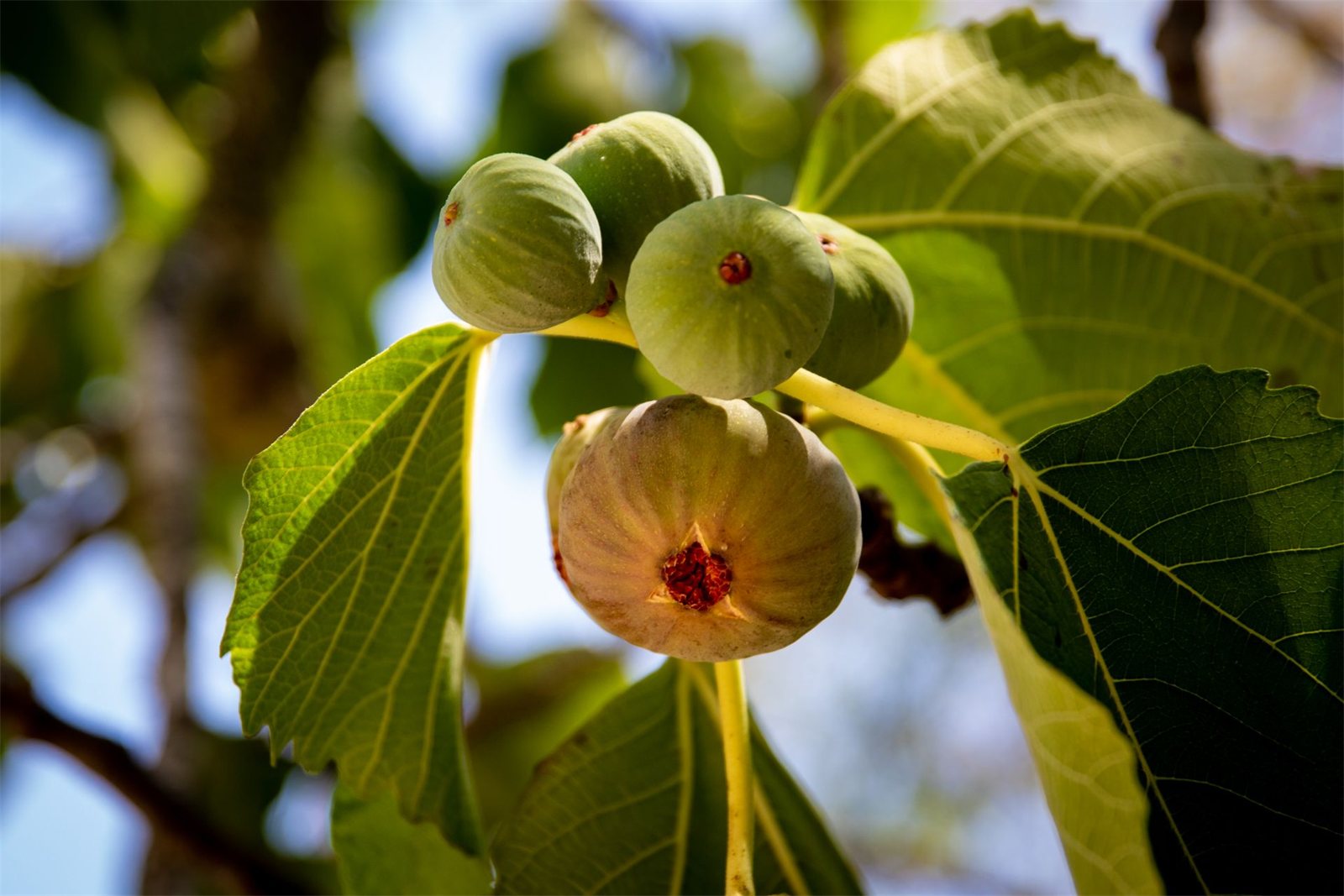
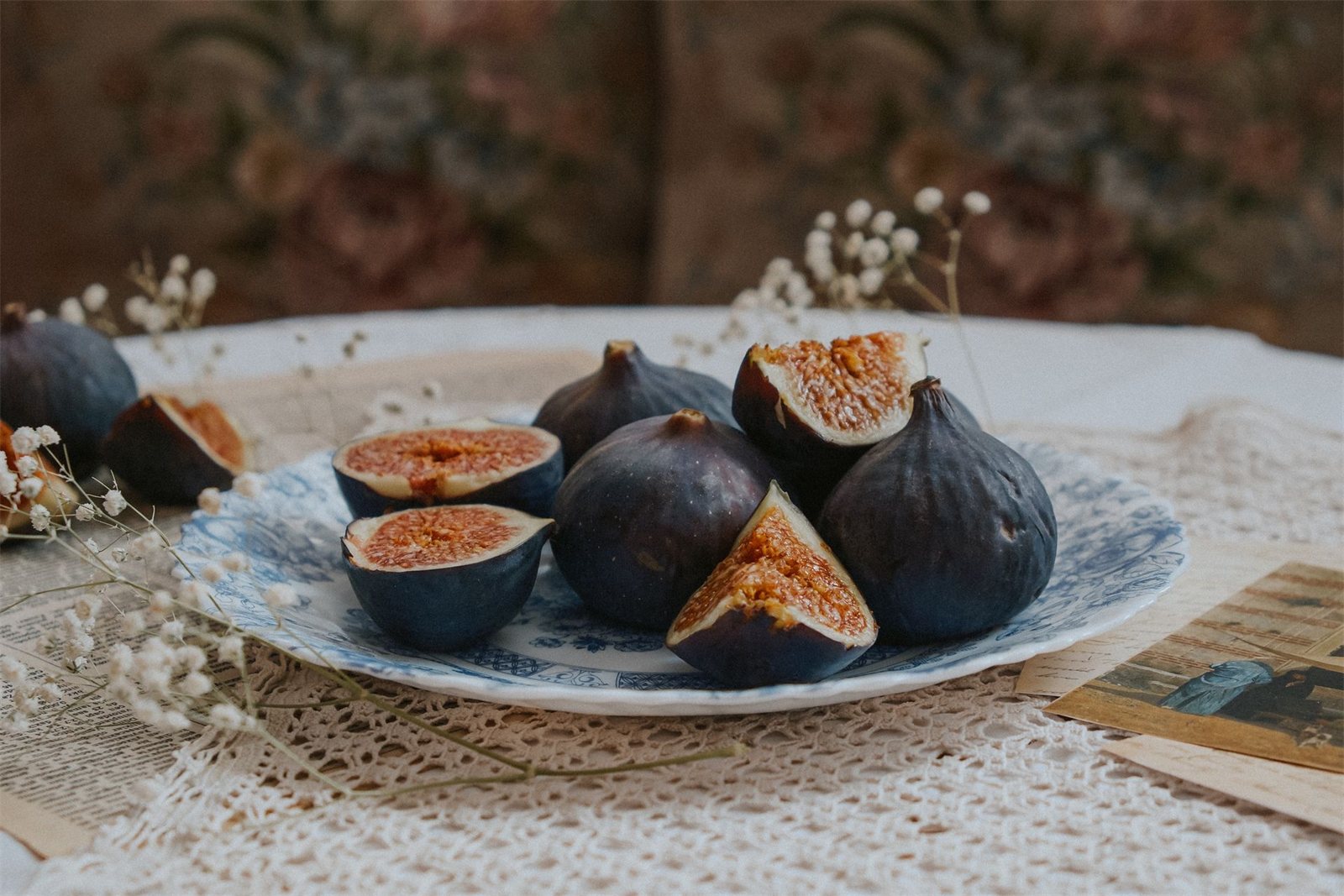
The reference to the fig in the first verse of Surat at-Tin is a most wise one in terms of the benefits imparted by this fruit.
The reference to the fig in the first verse of Surat at-Tin is a most wise one in terms of the benefits imparted by this fruit.
The Benefits of the Fig for Human Beings
Figs have a higher fibre level than any other fruit or vegetable. One single dried fig provides two grams (0.07 ounce)of fibre: 20% of the daily recommended intake. Research over the last fifteen years or so has revealed that the fibre in plant foods is very important for the regular functioning of the digestive system. It is known that fibre in foods assists the digestive system and also helps reduce the risk of some forms of cancer. Nutritionists describe eating figs, which are rich in fibre, as an ideal way of increasing one's fibre intake.
Fibrous foodstuffs are divided into two types: soluble and insoluble. Foods rich in insoluble fibre facilitate the passage of substances to be expelled from the body through the intestine by adding water to them. They thus accelerate the digestive system and ensure its regular functioning. It has also been established that foods containing insoluble fibre have a protective effect against colon cancer. Foods rich in soluble fibre, on the other hand, have been shown to reduce cholesterol levels in the blood by more than 20%. These are therefore of the greatest importance in reducing the risk of heart attack. Excessive levels of cholesterol in the blood collect in the arteries, hardening and narrowing them. Depending on which organ's blood vessels the cholesterol accumulates in, disorders connected to that organ arise. For example, if cholesterol accumulates in the arteries that feed the heart, problems such as heart attacks result. Accumulations of cholesterol in the kidney veins can lead to high blood pressure and kidney deficiency. Furthermore, the intake of soluble fibre is important in terms of regulating blood sugar by emptying the stomach because sudden changes in blood sugar can lead to life-threatening disorders. Indeed, societies with fibre-rich diets have been shown to have far lower incidences of illnesses such as cancer and heart disease.220
It is also another major health advantage for soluble and insoluble fibres to be present at one and the same time. It has been shown that when both forms are present together, they are much more effective in preventing cancer than when they are on their own. The presence of both forms of fibre, soluble and insoluble, in the fig makes it a most important foodstuff in this regard.221
Dr. Oliver Alabaster, Director of the Institute for Disease Prevention at the George Washington University Medical Centre, refers to figs in these terms:
According to the California Fig Advisory Board, it is believed that the antioxidants in fruit and vegetables protect against a number of diseases. Antioxidants neutralise harmful substances (free radicals) that arise as a result of chemical reactions in the body or else are taken in from the outside and thus prevent the destruction of cells. In one study performed by the University of Scranton, it was determined that dried figs had a much higher level of the phenol makeup, which is rich in antioxidants, than other fruits. Phenol is used as an antiseptic to kill micro-organisms. The level of phenol in figs is much higher than that in other fruits and vegetables.223
Another study, by Rutgers University in New Jersey, revealed that due to the essential fatty acids omega-3 and omega-6 and phytosterol contained in dried figs, they can play a considerable part in reducing cholesterol.224
It is known that omega-3 and omega-6 cannot be manufactured in the body and need to be absorbed with food. Furthermore, these fatty acids are indispensable to the proper functioning of the heart, brain and nervous system. Phytosterol permits the cholesterol in animal products, which has the potential to harden the heart's arteries, to be expelled from the body without entering the blood stream.
Despite being one of the oldest fruits known to man, the figdescribed as "nature's most nearly perfect fruit" by the California Fig Advisory Board -has been rediscovered by food producers. The nutritional value of this fruit and its health benefits have led to its acquiring a whole new importance.
The fig can constitute a part of just about any special diet. Since figs do not naturally contain fat, sodium or cholesterol but have high levels of fibre, they are an ideal food for those trying to lose weight. At the same time, figs have higher mineral contents than any other known fruit. Forty grams (1.4 oz)of figs contains 244 mg (0.008 oz)of potassium (7% of the daily requirement), 53 mg (0.002 oz)of calcium (6% of the daily requirement) and 1.2 mg (0.00004 oz)of iron (6% of the daily requirement).
The calcium level in figs is very high: The fig ranks second after the orange in terms of calcium content. Acrate of dried figs provides the same level of calcium as a crate of milk.
Figs are also thought of as a medicine which gives strength and energy to longterm patients as they seek to recover. They eliminate physical and mental difficulties and give the body strength and energy. The most important nutritional component of figs is sugar, which comprises 51-74% of all fruits. The sugar level in figs is one of the highest. Figs are also recommended in the treatment of asthma, coughs and chills.
The benefits we have restricted ourselves to mentioning here are an indication of the compassion Allah feels for human beings. Our Lord provides the substances required by human beings in this fruit, which is so pleasant to eat, already packaged and at the ideal levels for human health. The way that this special blessing from Allah is mentioned in the Qur'an may indicate the importance of the fig for human beings. (Allah knows best.) From the point of view of human health, the nutritional value of the fig was only established with the advance of medicine and technology. This is another indication that the Qur'an is indisputably the word of Allah, the Omniscient.
Fish: A Valuable Source of Nutrition
The fact the average age of people developing and dying from heart disease is constantly decreasing has considerably increased the importance attached to coronary health.
«Anything you catch in the sea is lawful for you, and all food from it, for your enjoyment and that of travellers…»
The fact the average age of people developing and dying from heart disease is constantly decreasing has considerably increased the importance attached to coronary health. Although a great many advances have been registered in the treatment of heart disease, experts in the field basically recommend that careful precautions be taken before such diseases ever arise. Experts also recommend one important foodstuff for the healthy functioning of the heart and the prevention of disease: fish.
The reason why fish is such an important source of nutrition is that it both provides substances necessary for the human body and also reduces the risk of various diseases. For example, it has been revealed that when fish-which acts as a shield in terms of health with the omega- 3 acid it contains-is consumed on a regular basis, it reduces the risk of heart disease and strengthens the immune system.
The fact that fish, the health benefits of which have only newly been scientifically registered, is an important nutritional source is revealed in the Qur'an. Almighty Allah makes the following references to seafood in the Qur'an: " It is He Who made the sea subservient to you so that you can eat fresh flesh from it..." (Qur'an, 16:14), "Anything you catch in the sea is lawful for you, and all food from it, for your enjoyment and that of travellers…" (Qur'an, 5:96) Furthermore, particular attention is drawn to fish in Surat al-Kahf, in which it is revealed that the Prophet Musa set out on a long journey with his servant and that they took fish along with them to eat:
«But when they reached their meeting-place, they forgot their fish which quickly burrowed its way into the sea. When they had gone a distance further on, he said to his servant, "Bring us our morning meal. Truly this journey of ours has made us tired." He said, "Do you see what has happened? When we went to find shelter at the rock, I forgot the fish…»
It is noteworthy that in Surat al-Kahf fish should be specially chosen as a foodstuff after a long, tiring journey. Therefore, one of the pieces of wisdom in this tale may well be an indication of the nutritional benefits of fish. (Allah knows best.)
In fact, when we examine the nutritional properties of fish, we encounter some very striking facts. Fish, given to us as a blessing by our Lord, are a perfect food, particularly in terms of protein, vitamin D and trace elements (certain elements found in minimal quantities in the body but which are still of great importance to it). Due to the minerals they contain-such as phosphorus, sulphur and vanadium-fish encourages growth and enables tissues to recover. Fish meat also assists in the formation of healthy teeth and gums, benefits the complexion, makes the hair healthier and contributes to the fight against bacterial infection. It also plays an important role in the prevention of heart attacks as it beautifully regulates the level of cholesterol in the blood. It helps the body to break down and use starch and fats, making it stronger and more energetic. On the other hand, it also influences the functioning of mental activities. In the event that the vitamin D and other minerals contained in fish are not consumed in sufficient quantities, disorders such as rickets (bone weakness), gum disease, goitre and hyperthyroid may all arise.225
In addition, modern science has also discovered that the omega-3 fatty acids in fish also occupy an important place in human health. These fats have even been described as essential fatty acids.
The Benefits of Omega-3 in Fish Oil
There are two kinds of unsaturated fatty acid in fish oil which are particularly important for our health: EPA (eicosapentaenoic acid) and DHA (docosahexaenoic acid). EPAand DHAare known as polyunsaturated fats and contain the important omega-3 fatty acids. Since the fatty acids omega-3 and omega-6 are not manufactured in the human body, they need to be taken in from the outside.
There is a large body of evidence relating to the benefits to human health of fish oil, the actual benefit stemming from its omega-3 fatty acid content. Despite being present in vegetable oils, these omega-3 fatty acids are less effective in relation to human health. However, marine plankton is very effective at turning omega-3 into EPA and DHA. When fish eat plankton, their constitution becomes much richer in EPAand DHA. That, in turn, makes fish one of the richest sources of these vitally important fatty acids.226
Vital Benefits of the Fatty Acids Found in Fish
One of the main features of the fatty acids in fish is the contribution they make to the body's energy production. These fatty acids carry out electron transfers by attaching themselves to oxygen in the body and permit energy to be produced for various chemical processes within it. There is therefore considerable evidence that a diet rich in fish oil helps combat fatigue and increases mental and physical capacity. Omega-3 increases the individual's powers of concentration as much as it does his or her energy levels. There is a scientific foundation to the old saying "fish is good for the brain": The main compound in brain fat is DHA, which contains omega-3 fatty acids.227
The Importance of Fish for a Healthy Heart and Arteries
The omega-3 fatty acid in fish is acknowledged to protect against cardiovascular disease by reducing blood pressure and the cholesterol and triglyceride in the blood.228
Triglyceride is a form of fat and resembles LDL(bad cholesterol) which is high in fat and low in protein content. A raised triglyceride level, especially together with high cholesterol, increases the risk of heart disease. In addition, fish oils reduce lifethreatening post-heart attack abnormal heart rhythms.
In one study by the American Medical Association, it was observed that heart attack levels in women eating five portions of fish a week fell by one-third. This is thought to stem from the omega-3 fatty acids in fish oil causing less blood clotting. The normal speed of blood in our veins is 60 kmph (37.3 mph) and it is of vital importance for the blood to be of the right viscosity and for the density, quantity and speed to be at normal levels. The worst danger for our blood-apart from normal conditions of bleeding-is for it to clot and lose the ability to flow properly. Fish oils are also effective in reducing blood clotting by preventing the thrombocytes in the blood (blood platelets that concentrate the blood in the event of bleeding) from adhering to one another. Otherwise, blood thickening can lead to narrowing of the arteries. In turn, this can lead to many organs in the body-especially the heart, brain, eyes and kidneys-receiving an inadequate blood supply, function deceleration and eventually, loss of function. For example, when an artery is totally blocked on account of clotting this can lead to heart attack, paralysis or other disorders, depending on the location of the artery.
Omega-3 fatty acids also play an important role in the production of the molecule haemoglobin, that carries oxygen in the red blood cells, and in controlling the nutrients passing through the cell membrane. They also prevent the damaging effects of fats harmful to the body. Research reveals that omega-3 fatty acids found in fish reduce the risk of heart attack.229
Importance for the Development of New Born Babies
Being an important component of the brain and eye, omega-3 fatty acids have been the subject of research, especially over the last 10 years, in connection with the needs of new born babies. There is a considerable body of evidence relating to the importance of omega-3 to the development of the foetus in the mother's womb and of the new-born baby. Omega-3 is of the greatest importance for the proper development of the brain and nerves throughout pregnancy and in early babyhood. Scientists emphasise the importance of mother's milk since it is a natural and perfect store of omega-3.
Benefits for Joint Health
The major risk in rheumatoid arthritis (a painful joint condition linked to rheumatism) is that of wearing of the joints, leading to irreparable damage. It has been proven that a diet rich in omega-3 fatty acids prevents arthritis and reduces discomfort in swollen and sensitive joints.230
Benefits Regarding the Healthy Functioning of the Brain and Nervous System
A large number of studies have revealed the effects of omega-3 fatty acids on the healthy functioning of the brain and nerves. In addition, it has been shown that fish oil reinforcement can reduce symptoms of depression and schizophrenia and prevent Alzheimer's disease (a brain disease which causes loss of memory and hinders day-to-day activities). For example, reductions in such problems as anxiety, stress and sleeping difficulties have been observed in individuals suffering from depression who took 1 gram (0.035 oz) of omega-3 fatty acid over a period of 12 weeks.231
Benefits against Inflammatory Disorders and Strengthening of the Immune System
At the same time, omega-3 fatty acids have an anti-inflammatory (infection preventing) function. Omega-3 can therefore be employed in the following diseases:232
Rheumatoid arthritis (joint infection linked to rheumatism), Osteoarthritis (a form of arthritis gradually degenerating the functions of joints)
Ulcerative colitis (ulcers linked to the inflammation of the colon), and Lupus (a disease which causes patches on the skin).
It also protects myelin (the material surrounding nerve cells). It is therefore used in the treatment of Glaucoma (an eye disorder marked by abnormally high pressure within the eyeball that may even lead to blindness)
Multiple sclerosis (a serious progressive disease resulting from tissue hardening in the brain and spinal cord), Osteoporosis (a disease leading to structural weakening in the bone structure)
Diabetes patients.
In addition, it is also reported to be useful in the treatment of Migraine patients, Anorexia (a possibly fatal eating disorder)
Burns Problems concerning skin health.
There is also wide-ranging evidence that societies such as the Greenland Eskimos and Japanese, who eat a lot of fish, rich in omega- 3 fatty acid, have a much lower incidence of heart and artery disease, asthma and psoriasis. Fish is therefore recommended as a form of treatment and is particularly recommended by nutritionists on account of its proven benefits for coronary health.
Additional benefits to those outlined above are emerging every day. Moreover, it has only been possible to reveal the health benefits of fish by a great many scientists working in well-equipped research laboratories. The fact that such a valuable source of nutrition is indicated in the Qur'an, and especially that it is described as a fatigue eliminator in Surat al-Kahf, is nothing short of awe-inspiring. All the benefits provided by fish are a great blessing given us by our Lord. As with all foods, it is Allah, the Lord of the Worlds, Who has created the superior structure in fish for our benefit.
Pork and Its Harmful Effects on Health
Eating pork is harmful to health in a great many regards. This harm still persists today, despite all the precautions that are taken.
«He has only forbidden you carrion, blood and pork and what has been consecrated to other than Allah. But anyone who is forced to eat itwithout desiring it or going to excess in it-commits no crime. Allah is Ever-Forgiving, Most Merciful.»
Eating pork is harmful to health in a great many regards. This harm still persists today, despite all the precautions that are taken. First and foremost, no matter how clean the farms and environments on which it is raised may be, the pig is not by nature a clean-living animal. It often plays in, and even eats, its own excrement. Due to this and its biological structure, the pig produces much higher levels of antibodies in its body than other animals. In addition, far higher levels of growth hormone are produced in the pig compared to those in other animals and human beings. Naturally, these high levels of antibodies and growth hormone pass across to and collect in the pig's muscle tissue. Pork meat also contains high levels of cholesterol and lipids. It has been scientifically proven that these significant amounts of antibodies, hormones, cholesterol and lipids in pork represent a serious threat to human health.
The existence of above-average numbers of obese individuals in the populations of countries such as the USAand Germany, in which large quantities of pork are consumed, is now well-known. When exposed to excessive quantities of growth hormone as a result of a pork-based diet, the human body first puts on excessive weight and then suffers physical deformations.
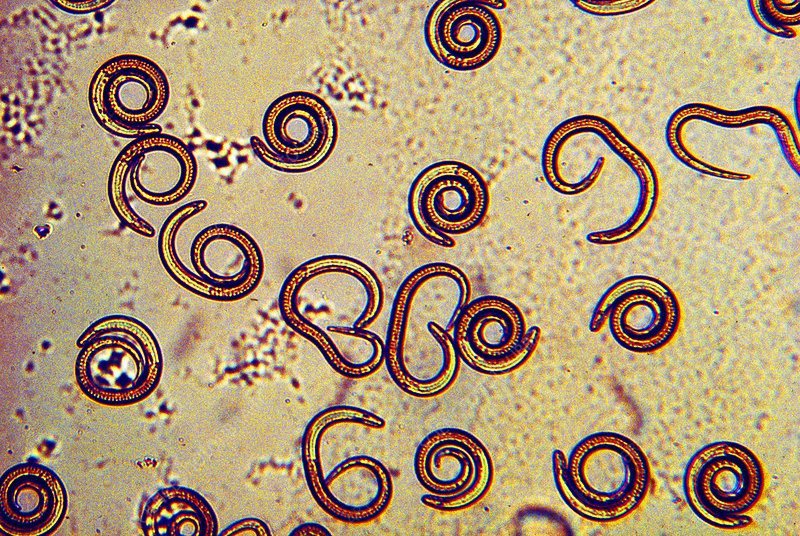
Another harmful substance in pork is the "trichina" worm. This is frequently found in pork and when it enters the human body, it settles directly in the muscles of the heart and represents a possibly fatal threat. Even though it is now technically possible to identify pigs that are infected with trichina, no such methods were known in earlier centuries. That means that everyone who ate pork risked infection by trichina and possible death.
All these reasons are just a part of the wisdom in our Lord's prohibition on the consumption of pork. Moreover, this commandment of our Lord's provides complete protection from the harmful effects of pork under any conditions.
Until the 20th century, it was impossible to be aware of the danger posed to human health by pork. The fact that the Qur'an, revealed fourteen centuries ago, warns against this harm which has been incontrovertibly revealed with modern medical equipment and biological tests, is one of the miracles demonstrating that the Qur'an is the revelation of Allah, the Omniscient. Despite all the precautionary measures and inspections that take place in modern-day pig rearing, the fact that pork is physiologically incompatible with the human body and is a variety of meat harmful to human health has not altered.
The Olive: A Health-Giving Plant
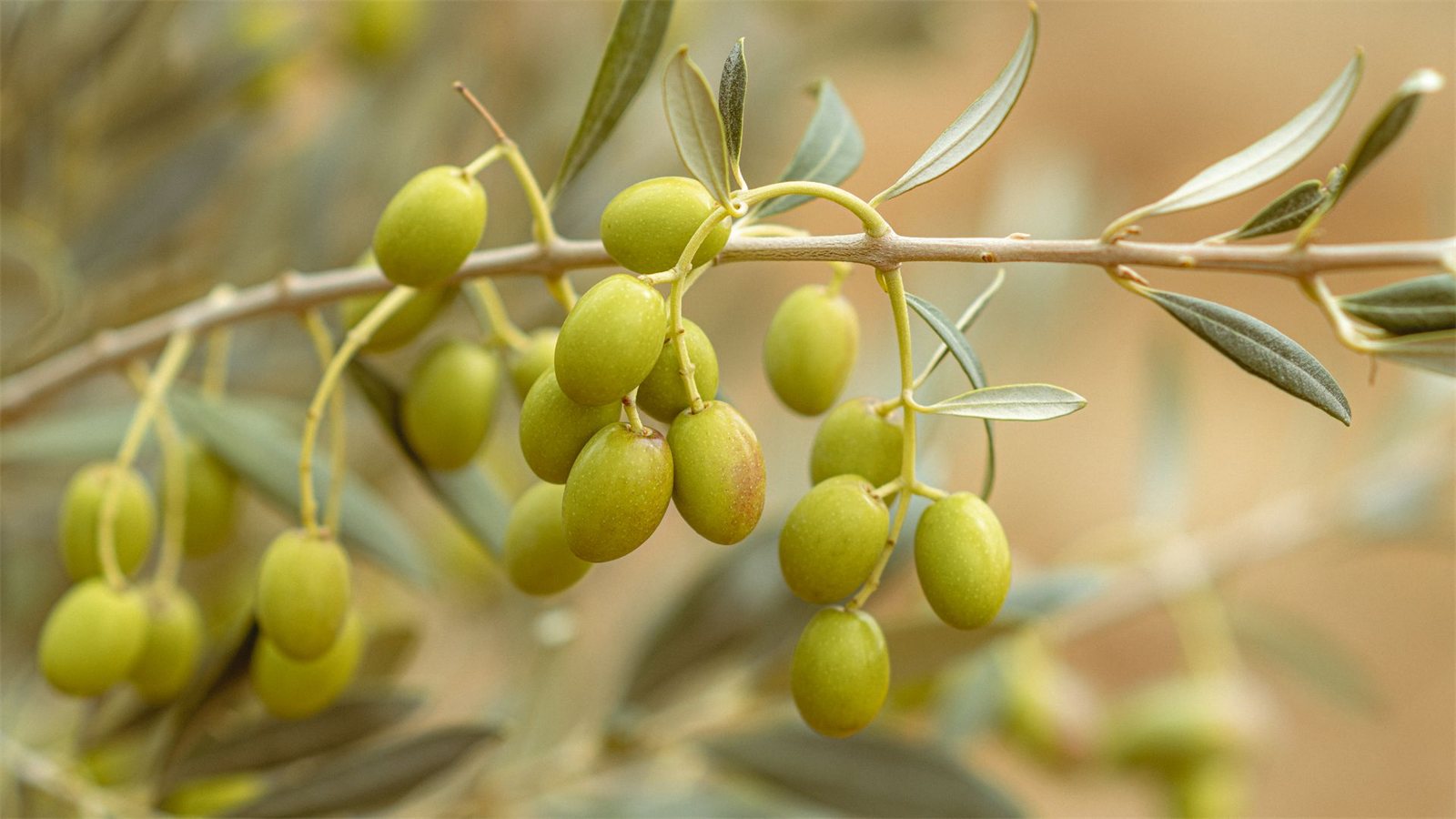
One of the foods to which attention is drawn in the Qur'an is the olive. Research in recent years has revealed that the olive is not just a delicious food but also represents an important source of good health.
One of the foods to which attention is drawn in the Qur'an is the olive. Research in recent years has revealed that the olive is not just a delicious food but also represents an important source of good health. In addition to the olive itself, olive oil is also an important source of nutrition. Attention is drawn to the oil of the olive tree in these terms in the Qur'an:
«Allah is the light of the heavens and the Earth. The metaphor of His light is that of a niche in which is a lamp, the lamp inside a glass, the glass like a brilliant star, lit from a blessed tree, an olive, neither of the east nor of the west, its oil all but giving off light even if no fire touches it. Light upon light. Allah guides to His light whoever He wills and Allah makes metaphors for humanity and Allah has knowledge of all things.»
The expression " mubaarakatin zaytoonatin " in the above verse describes the olive as being "plentiful, sacred, auspicious, providing countless blessings." Olive oil, referred to in the term " zaytuhaa ," is known as one of the most highly recommended types of oil by all experts, especially for coronary and arterial health. Its health benefits may be summarised as follows:
Benefits for Coronary and Arterial Health:
Most of the fatty acids in olives and olive oil are mono-unsaturated. Mono-unsaturated fatty acids do not contain cholesterol. Therefore, olive oil does not raise cholesterol levels but instead keeps them under control. Olive oil also contains omega-6 linoleic acid (EFA: essential fatty acid), which is essential for the human body. Due to this feature, health-related bodies (such as The World Health Organization) recommend that at least 30% of the fatty acid consumed in societies in which hardened artery and diabetes levels are high should consist of omega- 6. This increases the importance of the olive still further.233
Studies in this area have revealed much lower LDL (bad cholesterol) and higher antioxidant levels in people who consume 25 millilitres (about two dessertspoonfuls) of natural olive oil a day for one week.234
Antioxidants are important as they neutralise the harmful substances in the body known as free radicals and prevent cell damage. It has also been established in a great many studies that the consumption of olive oil reduces cholesterol levels and prevents heart disease.235
Olive oil is also recommended for patients with heart and artery disease since it reduces the level of harmful cholesterol (LDL) in the bloodstream and raises that of useful cholesterol (HDL).236
In countries with high occurrences of heart and artery diseases, saturated fats with high cholesterol content are generally consumed.
In addition, olive oil does not disrupt the proportion of omega-6 to that of omega-3. It is very important that omega-3 and omega-6 be present in the body at specific levels because any imbalance in these proportions can lead to progression in many diseases, especially those of the heart and immune system and cancer.237
For all these reasons, many people enjoy good health thanks to olive oil. The American Heart Association suggests that in order to reduce the risk of heart disease high mono-unsaturated fats can be an alternative to a 30% reduced fat diet.238
Cancer Prevention
One study, published by The Archives of Internal Medicine, showed that women who consume high levels of mono-unsaturated fat have a lower risk of developing breast cancer.239
Another study by scientists at the University at Buffalo, The State University of New York demonstrated that b-sitosterol, a fat found in vegetable oils such as olive oil, helps prevent the formation of prostate cancer cells. The researchers concluded that b-sitosterol strengthens the internal communication system of the cell that issues the command for the cells to divide and that cancer can thus be prevented before cell division reaches an uncontrollable level.
Arecent study by doctors at the University of Oxford has shown that olive oil has a protective effect against intestinal cancer. The doctors discovered that olive oil enters into a reaction with stomach acid in order to prevent intestinal cancer from beginning. At the same time, the University of Oxford researchers also established that olive oil reduces the level of bile and raises that of DAO (the enzyme diamine oxidase), thus protecting against abnormal cell growth and cancer.240
Prevention of Arthritis
According to researchers' reports, people who consume large quantities of olive oil and cooked vegetables can have a reduced risk of rheumatic arthritis, a chronic inflammatory disease of the joints.
Olive Oil Assists Bone Development
The vitamins E, A, D and K contained in olive oil are particularly important from the point of view of assisting bone development in adults and children, and in strengthening the bones by fixing calcium. It is also recommended for the elderly as it is easily digested and through its minerals, it assists with the use of vitamins in the body. It also prevents calcium loss by stimulating bone mineralisation.241
Bones are the organism's mineral structure storehouses and an absence of mineral accumulation in the bones can lead to serious complications such as bone softening. Olive oil has a most beneficial effect on the skeleton in this regard.
Prevention of Aging
Since the vitamins contained in olive oil have a cell renewing effect they are also employed in the treatment of the elderly, as well as nourishing and protecting the skin. As foodstuffs are transformed into energy in our bodies, certain substances known as oxidants are formed. With the high levels of anti-oxidants it contains, olive oil prevents damage by harmful substances, renews our cells and delays aging in the tissues and organs. Olive oil is also rich in vitamin E, which suppresses the free radicals that destroy the cells in our bodies and cause aging.
Contribution to Child Development
Due to the linoleic acid (omega-6 fatty acid) contained in olives and olive oil, these are a most healthy food for newborn babies and growing children. Adeficiency in linoleic acid leads to the emergence of a retardation of development in babyhood and various skin disorders.242
Olive oil contains anti-oxidant elements that prevent the destructive effects of harmful substances in our bodies, and fatty acids of great importance to human health. These support the hormones and assist in cell membrane formation.
Olive oil possesses a balanced polyunsaturated compound at a similar level to that in human milk. Olive oil is a sufficient source of these fatty acids, which cannot be obtained from the human body but which are of the most essential importance to it. These factors make olive oil very important for new-born babies.
Since it contributes to the natural development of the baby's brain and nervous system before and after birth, olive oil is the only oil recommended for mothers by experts. As well as containing similar levels of linoleic acid to those of mother's milk, when olive oil is added to fatless cow's milk, it becomes as natural a food source as mother's milk itself.243
Blood Pressure Reduction
One study published in the 27 March 2000 edition of Archives of Internal Medicine once more stressed the beneficial effect of olive oil on high blood pressure. Medicines to reduce high blood pressure are also made from olive leaves.
Benefits for the Internal Organs
Whether consumed hot or cold, olive oil protects the stomach against diseases such as gastritis and ulcers by reducing gastric acid levels.244
In addition to this, by activating the bile, it makes it perfect. It regulates the discharge of the gall bladder and reduces the risk of bile stone formation.245
Moreover, thanks to the chloride it contains, it also assists the functioning of the liver and thus helps the body eliminate waste products. In addition, it also has a beneficial effect on the brain arteries.246
On account of all these properties, olive oil has attracted considerable expert attention in recent years.247
Some of the comments made by experts are as follows:
Jean Carper, a prominent authority in the field of health and nutrition, the CNN award-winning correspondent, columnist and author of The Food Pharmacy and Food-Your Miracle Medicine:
Pat Baird, a dietician and nutrition consultant:
Dr. Dimitrios Trichopoulos, chairman of the Department of Epidemiology, Harvard University School of Public Health:
D. Peck of the School of Medicine, University of Miami:
Bruno Berra of the Institute of General Physiology and Biological Chemistry, University of Milan:
A.A. Rivellese, G. Riccardi and M. Mancini of the Institute of Internal Medicine and Metabolic Diseases at Federico II University, Naples:
Patrizia Galletti of the Second University of Naples, Faculty of Medicine and Surgery:
Frank Sacks of the Harvard School of Public Health:
As we have seen, a great many scientists today think that an olive oil-based diet constitutes the ideal nutritional model. It is stated that on account of these properties, olives and olive oil should be the fundamental constituents of every meal in one's daily nutrition programme. The benefits of the olive plant, emphasised by Allah in many verses of the Qur'an, have been discovered in parallel to the advances made by medical science.
«It is He Who sends down water from the sky. From it you drink and from it come the shrubs among which you graze your herds. And by it He makes crops grow for you and olives and dates and grapes and fruit of every kind. There is certainly a Sign in that for people who reflect.»
In order for it to survive and function, every organ needs to be nourished by means of the blood. Blood flows to the heart through the coronary artery.
«Didn't We open up and expand your breast for you and remove your load from you which weighed down your back? Did We not raise your renown high? For truly with hardship comes ease; truly with hardship comes ease.»
In order for it to survive and function, every organ needs to be nourished by means of the blood. Blood flows to the heart through the coronary artery. In cases of hardening of the arteries (atherosclerosis), narrowing and blockages can arise in these arteries. When the condition progresses, the passage of the blood is obstructed and the heart receives insufficient supply. This leads to chest pains, which show that the heart is unable to function properly and also to heart attacks.
The expression " A lam nashrah laka sadraka " in the above versetranslated as " Didn't we open up and expand your breast for you… "may be a sign of heart disorders of this kind and present-day coronary by-pass surgery. (Allah knows best.) That is because the first meaning of the term " lam nashrah " expresses the verb "to cut open flesh and similar substances." Indeed, in such operations, the heart is accessed by splitting the breastbone into two. As a result of the operation, the blood is enabled to flow again and chest pain is eliminated. The term "expand" in the above verse may be a sign of the removal of such congestion of the arteries.
Furthermore, it is most wise that immediately after this Sura Allah should swear by the olive, which is so beneficial to the heart.
One of the pieces of advice given to Prophet Ayyub by Allah in the face of the exhaustion and suffering inflicted by Satan is "stamping the foot." This expression in the verse may be indicating the benefits of movement or sport.
During sport, blood flow is accelerated, particularly by the movement of long muscles such as those in the legs (isometric movements) and the level of oxygen reaching the cells increases. As a result, the individual's fatigue is eliminated and he or she is energised as toxic substances are expelled from the body.248
At the same time, the body acquires increased resistance to microbes. People who take regular exercise possess broad, clean arteries and this has the effect of preventing them from clogging and thus of preventing heart disease.249
In addition, regular exercise plays a role in the prevention of diabetes by regularising the blood sugar balance. The beneficial effects of sport on the liver raise the levels of good cholesterol.250
What is more, walking barefoot is a very effective method of releasing the static electricity accumulated by the body. It serves as a kind of earthing of the body.
As emphasised in the verse, washing is also known to be the most effective method of discharging the static electricity in the body. In addition to providing physical cleanliness, washing also reduces stress and tension. Washing therefore has a curative effect on many physical and psychological disorders, especially stress and fevers.
In the verse, in addition to washing, drinking water is also recommended. The beneficial effects of water on all organs of the body cannot be ignored. The health of many organs-such as the sweat glands, the stomach, the intestines, the kidneys and the skin-is directly related to the presence of adequate amounts of water in the body. The treatment of all such disorders, as may arise in this field, is possible by means of providing extra water. The answer to fatigue, tiredness and drowsiness is again to increase the level of water in the body and thus to cleanse it of impurities.
Implementing each of these recommendations, of vital importance to our physical and mental health, will bring about the ideal results. Each of these recommendations is also a manifestation of the verse
" We send down in the Qur'an that which is a healing and a mercy to the believers… "
Many miraculous features of the Qur'an prove it is Allah’s Word. It contains scientific details, extraordinary scientific codes as well as many other features which categorically prove its divine status.
Many miraculous features of the Qur'an prove it is Allah’s Word. It contains scientific details, extraordinary scientific codes as well as many other features which categorically prove its divine status. In addition, information which could not have been scientifically proven during the lifetime of the Prophet Muhammad is found in abundance in Allah’s Holy Book. The fact that only 20th and 21st-century technology has confirmed some of the Qur’anic verses provides clear proof that the Qur'an cannot be the work of any human being.
One of the verses that may be referring to the future is verse 73 of Surat al-Baqara:
«Remember when you killed someone and violently accused each other of it, and Allah brought out what you were hiding. We said, 'Hit him with part of it!' In that way Allah gives life to the dead and He shows you His Signs so that hopefully you will understand.»
When the chest is struck from above during heart massage, the heart can start beating once again. The words “We said, ‘Hit him with part of it!’ In that way Allah gives life to the dead...” in the verse may be a reference to this effect of heart massage. (Allah knows the truth).
Among the meanings of the Arabic term "bibaadiha," translated as "with part of it" in the above verse, is "someone or some people." In the context of that meaning, the verse may be a reference to heart massage, striking the chest from above, which makes it possible to restart the heart if it has stopped beating. (Allah knows the truth.)
In such a scenario, the person to whom the massage is administered has the characteristics of a dead body: loss of consciousness, debilitating respiratory problems and decreasing heartbeat. With our present-day knowledge, heart massage can be applied to someone whose heart has stopped, enabling heartbeat and vital functions to resume. Pressure is applied to the rib cage at specific intervals during heart massage. Then, the rhythmic contraction required for it to continue pumping blood can be re-established. In that context, the striking of a dead body in such a way as to restore it to life, as stated in the verse, may be suggestive of the heart massage technique. The Qur'an is the word of Almighty Allah, He Who creates all things from nothing - and Whose knowledge enfolds all things. Every verse of the Qur'an therefore contains information revealed with the wisdom of our Almighty Lord. In one verse, Allah refers to the Qur'an itself as follows:
«... Will they not ponder the Qur'an? If it had been from other than Allah, they would have found many inconsistencies in it.»
The term “rusted” is here used to describe the constitution of the hearts of some human beings. Whilst the verse contains spiritual elements, the verse may also refer to the biochemical reaction that takes place in the heart.
«No indeed! Rather what they have earned has rusted up their hearts.»
The term “rusted” is here used to describe the constitution of the hearts of some human beings. Whilst the verse contains spiritual elements, the verse may also refer to the biochemical reaction that takes place in the heart. (Allah knows the truth.) Rust is the result of iron reacting with oxygen – this is the process known as oxidation.251 The oxygen we absorb from the air is carried through the body by means of the iron present in the hemoglobin in the blood. During this process, the oxygen reacts with the iron in the blood. This means there is a constant resemblance to “rusting” in our blood. This “rusted” blood is then carried to the heart and around the circulation system of the human body.
1. Incoming Blood 2. Alveoli 3. CO2 Out 4. O2 in 5. Out Going Blood The oxygen we take from the air is carried through the body by means of the iron in the hemoglobin in the blood. As this happens, the oxygen enters into a reaction with the iron in the blood.
An excess of iron in the blood can even lead to premature aging in all of the body's cells by causing rust-like oxidation. In the disease known as “hemochromatosis,” caused by excess iron accumulating in the body, iron produces a toxic effect and causes organs such as the liver to collapse. Since this is the result of iron oxidation, this phenomenon is often described as organs “rusting” or ”rust accumulation” in organs”.252 In the journal Science News Dr. Sharon McDonnell describes the iron oxidation in cells making up organs as 'rusting'.253
Another reference says this about the disease: "… those with hemochromatosis absorb iron, storing it in their organs. Over time, it accumulates in toxic amounts, causing organs to fail because they literally rust."254
It is only possible to identify the reaction of iron with oxygen in the body–oxidation in the blood–in laboratories with highly advanced equipment. The fact that such a comparison, so compatible with the scientific data, appears in the Qur'an is an evident miracle, given the era of the Qur’anic revelation. The Qur'an also contains countless other pieces of information which are in complete agreement with modern science. Surely, this is another sign that it is the revelation of Omniscient Allah, our Lord and the Creator of all things.
The Wisdom Behind The Prohibition of Blood In The Qur'an
The wisdom behind Allah's prohibition of blood emerged during the 20th century. By carrying vitamins, hormones, oxygen and substances such as protein, sugar and fat absorbed during digestion to the cells, blood makes it possible…
«He has only forbidden you carrion, blood and pork and what has been consecrated to other than Allah. But anyone who is forced to eat it – without desiring it or going to excess in it – commits no crime. Allah is Ever-Forgiving, Most Merciful.»
The wisdom behind Allah's prohibition of blood emerged during the 20th century. By carrying vitamins, hormones, oxygen and substances such as protein, sugar and fat absorbed during digestion to the cells, blood makes it possible for life to survive. On the other hand, it also carries various toxins and waste products that need to be expelled from the body. One of the most important tasks performed by blood is to transport substances such as urea, uric acid, keratin and carbon dioxide that need to be removed from the body.
Blood
Therefore, in the event that significant quantities of blood are consumed, the level of harmful products in the body that should be expelled will rise considerably. That will increase the levels of urea: harmful substances transported to the kidneys for expulsion from the body. This can impair brain functions and in the worst case scenario, can even result in coma. That is why, because of its very nature, there will always be harmful compounds in blood, even if taken from seemingly healthy animals. If it is taken from a sick animal, various parasites and germs will also be transmitted in it. In that event, the germs may multiply and spread throughout the body – and that is the ultimate danger. If someone consumes blood, all the germs and waste products in it may spread through the body and lead to such diseases as kidney insufficiency or liver coma. In addition, most of the microbes carried in the blood may cause other diseases by damaging the lining of the stomach and the intestines.
What is more, blood is not a sterile environment. To put it another way, it is absolutely ideal for germs to grow in.255 Since microbes have excellent opportunities to feed in blood, it represents a perfect breeding ground for them. When in equilibrium with the functions of the other fluids in the body and the immune system, blood does not support micro-organisms, and therefore disease. In a healthy individual, these micro-organisms live by making use of one another inside the body. When that environment is seriously impaired - when the internal equilibrium is damaged - micro-organisms may cause disease when they find the appropriate surroundings.
For example, when the blood pH level (acid and alkali balance) is imbalanced because of poor nutrition or harmful chemicals, harmless microbes can begin to cause disease. If the body is to be healthy, the pH level of the blood should be around 7.3. Even small variations in that level may cause that balance to be impaired. In turn, this may cause micro-organisms to become more harmful in order to adapt to their surroundings. Blood becoming sterile is quite similar to milk souring when left outside. Microbes already present in the blood exhibit harmful effects by adapting to their new environment.256
In addition to all this, blood is not suitable for use as a food product. The level of digestible proteins such as albumin, globulin and fibrinogen is low - just 8 grams in 100 milliliters of blood. The same applies to fats. In addition, blood contains a high level of hemoglobin, a complex protein that is very difficult to digest and is unacceptable to the stomach. When blood clots, the protein fibrinogen gives rise to a plate containing erythrocyte - red blood corpuscles. It then transforms into “fibrin,”, one of the hardest proteins to digest. In today’s world, health experts agree that blood is unfit for human consumption in any form.
«After saying: "Unlawful for you are carrion, blood and pork, and what has been consecrated to other than Allah, and animals which have been strangled, and animals which have been killed by a blow, and animals which have fallen to their death, and animals which have been gored, and animals which wild beasts have eaten – except those you are able to slaughter properly – and animals which have been sacrificed on altars, and deciding things by means of divining arrows – that is deviance..." Almighty Allah goes on to say…" But if anyone is forced by hunger, not intending any wrongdoing, Allah is Ever-Forgiving, Most Merciful" (meaning that an exception can be made.)» (Surah al-Ma’idah, 3)
Abiding this law of Allah, people of the time were protected against a threat of which they were unaware. It is clear that those who believe and trust in Allah are more likely to prosper. Those who comply with His commandments and prohibitions will enjoy auspicious lives in this world and the Hereafter, living under our Lord’s Protection and Infinite Mercy.